Nitrogen Lessons Today
Lead Tomorrow
Radicle Summit 2026
What to Expect
Nitrogen is not a single rate or pass. It is a system shaped by soil type, water-holding capacity, weather, equipment, product choice, application timing and placement. Our research found that soil nitrate levels can change significantly within just two weeks as rainfall, mineralization, crop uptake and fertilizer conversion work together. Corn can also move toward nitrogen deficiency before showing visible symptoms, which means the crop may already be losing yield potential by the time a problem can be seen from the road. Soil testing is the critical piece to understand what is happening below the surface instead of relying only on crop appearance, yield maps or a whole-field average.
Weekly sampling across replicated nitrogen-rate strips showed that nitrate testing is most valuable when growers look for trends rather than depending on a single sample from one point in time. Higher nitrogen application rates generally maintained higher soil nitrate levels through the season and after harvest, but much of that leftover nitrate returned to a similar low baseline by the following spring. That residual nitrogen represents fertilizer dollars that may not stick around for the next crop. Post-harvest nitrate testing offers a more practical way to identify where nitrogen was left behind, where the crop drew the profile down, and how those patterns repeat across soil types and seasons. Adding those results to regular phosphorus, potassium and pH sampling can help build a dependable history without requiring you to pull cores through tall corn.
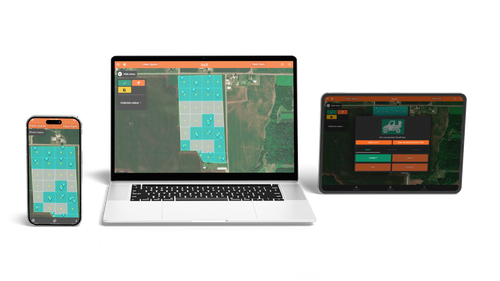
You can turn that soil history into a nitrogen plan that fits each part of the field. Targeting sample locations by soil type, elevation, drainage and water-holding capacity can reveal areas that regularly supply more mineralized nitrogen and areas that lose nitrogen quickly. Those insights can support variable-rate prescriptions that move fertilizer away from acres that need less and toward acres with a better chance of returning the investment. Application resolution matters too. A 30-foot sidedress bar can respond to field variability more precisely than a 120-foot broadcast pass that may cross several soil types at once. Radicle connects sampling maps, soil results and prescription creation in one platform, providing reliable soil data from the field that you can turn into an actionable fertility plan.
Featured Products
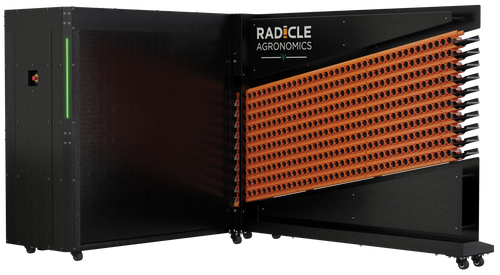
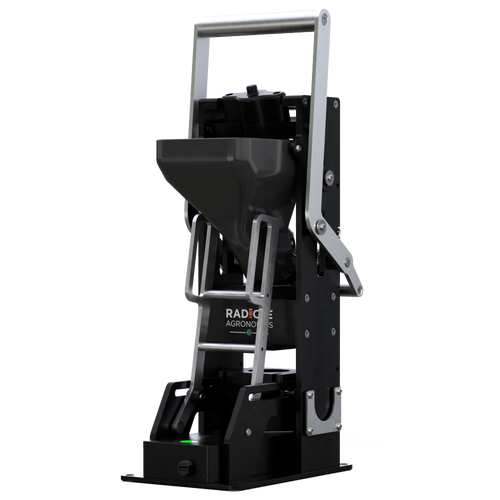
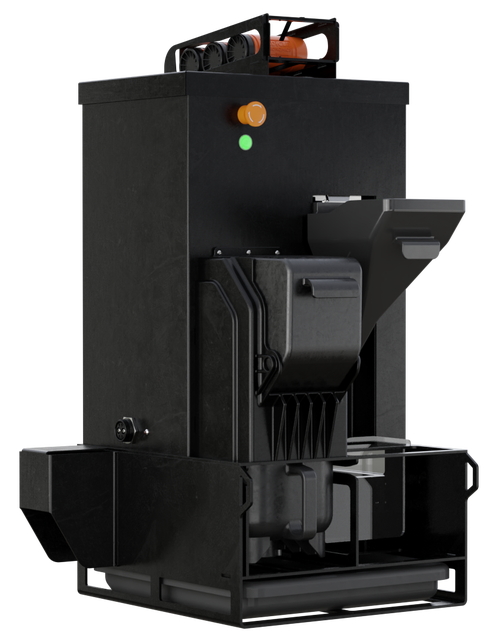
- Radicle Lab » High-powered analysis that delivers reliable data to inform smarter decisions.
- Radicle App » A user-friendly platform that connects planning, sampling, and analysis in one place.